
The Mechanics Behind Slot Machines
Slot machines are intricate devices designed to provide entertainment and excitement to players. At their core, they operate through a random number generator (RNG), a sophisticated algorithm that ensures each spin is independent of previous outcomes. This means that the results of each spin are completely random, and the likelihood of hitting a jackpot or losing is not influenced by past spins. Many players enjoy exploring various options, and a popular choice among them is the payid casino , which offers an array of engaging games and features. Understanding this technology can help demystify the allure of slot machines and explain why outcomes can seem unpredictable.
In addition to the RNG, modern slot machines are equipped with various sensors and software that monitor their performance and ensure compliance with gaming regulations. These systems provide insights into usage patterns and ensure that the machines’ payout percentage remains consistent with what is advertised. Thus, while the internal mechanisms are complex, the overall purpose remains clear: to offer fair and random gameplay to all participants.
Another interesting aspect is the range of denominations and themes that slot machines offer. From classic fruit symbols to advanced video slots with immersive storylines, the diversity caters to various player preferences. This variety, coupled with the randomness of the RNG, contributes to the unique experience of playing each machine. Players may find themselves drawn to particular themes or features, but the reality is that the randomness reigns supreme regardless of their choices.
The Illusion of Control in Slot Play
Many players believe they can influence the outcome of a slot machine by observing patterns or selecting specific machines that seem “hot” or “cold.” This belief is often reinforced through anecdotal experiences or myths circulating among players. In reality, such patterns are purely coincidental and do not affect the RNG. The entertainment value arises from the play itself, rather than any perceived ability to predict outcomes.
Gamblers may also employ strategies like adjusting their bets based on previous wins or losses, hoping to maximize their returns. However, slot machines are designed to be unpredictable, making it impossible to control or forecast the next result. It is important for players to recognize that while they can choose when and how to play, the outcome itself remains entirely in the hands of chance.
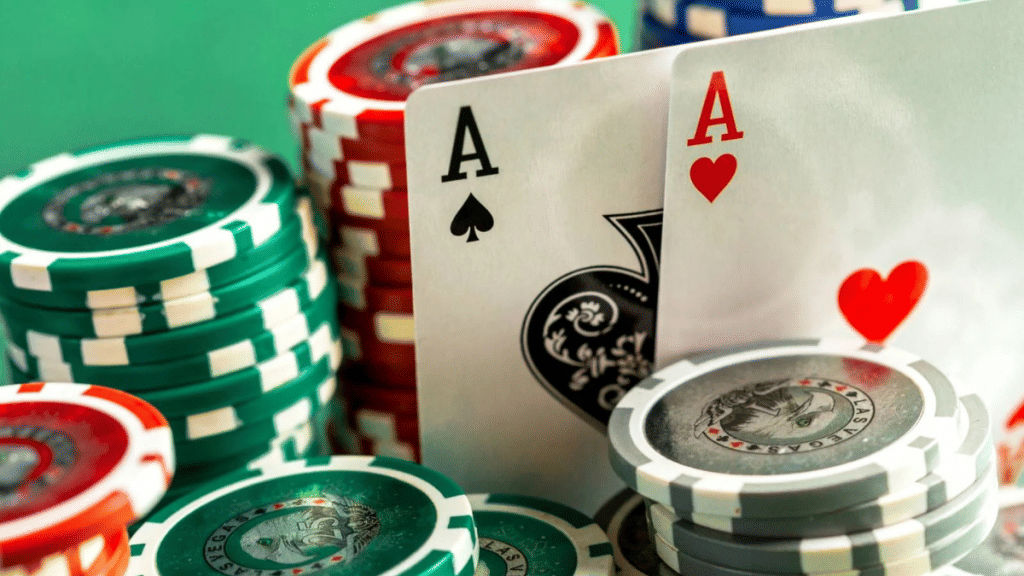
The exciting nature of slot machines lies in this unpredictability. Players often experience a rush when spinning the reels, driven by the anticipation of potentially life-changing wins. As enticing as this is, it serves as a reminder that the gaming experience should be treated as entertainment rather than a way to secure financial gains. Understanding that the randomness is a fundamental aspect of slot machines can help players manage their expectations and ensure responsible gaming practices.
The Role of Return-to-Player (RTP) Percentage
Return-to-player (RTP) percentage is a crucial component of slot machine design, representing the average amount a player can expect to win back over time when playing a specific game. For example, a machine with an RTP of 95% theoretically returns $95 for every $100 wagered, though this occurs over countless spins. Players often overlook this statistic, focusing instead on the potential for large jackpots or bonuses, which can lead to misconceptions about how “random” the machines are.
RTP percentages can vary significantly between machines, which contributes to the overall gaming experience. Some players may prefer machines with higher RTPs, as they theoretically offer better long-term payouts. However, it is vital to remember that RTP is calculated over a long horizon and does not guarantee short-term wins or losses. Thus, while the RTP offers insights into the machine’s expected performance, it doesn’t change the fundamental randomness of each spin.
Moreover, casinos often use RTP as a marketing tool to attract players. It can serve as an indicator of fairness, assuring players that their gaming experience is grounded in statistical principles. Transparency in RTP percentages can build player trust, but it also reinforces the idea that, ultimately, outcomes are dictated by chance and not influenced by external factors.
The Psychology of Playing Slots
The experience of playing slot machines is heavily influenced by psychological factors. The thrill of the unknown, combined with the potential for reward, can create a compelling experience that keeps players returning for more. The lights, sounds, and interactive elements of modern slot machines contribute to an immersive environment that heightens excitement and engagement. This sensory stimulation can overshadow the randomness of the outcomes, leading some players to perceive patterns where none exist.

Additionally, cognitive biases can play a role in how players approach slot machines. One common bias is the “gambler’s fallacy,” where players mistakenly believe that past outcomes influence future results. For instance, if a player has witnessed multiple losses in a row, they may feel that a win is “due” to occur, when in fact, every spin remains a separate event defined by the RNG. Recognizing these biases can help players maintain a sensible outlook while gaming.
The social aspect of playing slots cannot be ignored either. Many players enjoy the camaraderie that comes with playing in a casino environment, whether it be sharing in the excitement of a jackpot or engaging in friendly competition. This social dynamic can further obscure the understanding that the games are random, as the shared experience often reinforces myths about how to successfully play slots. Fostering awareness of the interplay between psychology and randomness can promote more rational gaming habits.
The Importance of Responsible Gaming
Understanding the randomness of slot machines is vital for fostering responsible gaming behavior. Players should approach these games with a clear mindset and an understanding of the odds. Entertainment should be the primary focus, rather than a means of generating income. Setting limits on time and money spent on slot machines can help maintain a balanced gaming experience and prevent compulsive gambling tendencies.
Casinos are increasingly promoting responsible gaming initiatives, encouraging players to be aware of their habits and the potential risks involved. Providing information about RTP percentages, encouraging players to take breaks, and offering self-exclusion options are steps many establishments take to ensure a safer gaming environment. Education around the randomness of slot machines can empower players to make informed choices, fostering a healthier relationship with gambling.
In conclusion, recognizing that slot machines operate on randomness can reduce the emotional rollercoaster that comes with playing. By understanding the mechanics, psychology, and importance of responsible gaming, players can appreciate the entertainment value these machines offer while safeguarding themselves against the risks associated with gambling.


